
Garage doors are built to withstand years of regular use, but their lifespan can vary depending on the materials, construction quality, maintenance, and frequency of operation. Over time, exposure to weather, daily wear and tear, and aging mechanical components can affect their appearance and performance. While some garage doors remain in good condition for decades, others may require replacement sooner due to damage, deterioration, or recurring operational problems.
We discussed garage door lifespan with the professionals at Washington Garage Doors to explore how often homeowners should consider replacing their garage doors, what affects their longevity, and which signs may indicate that it is time for a replacement.
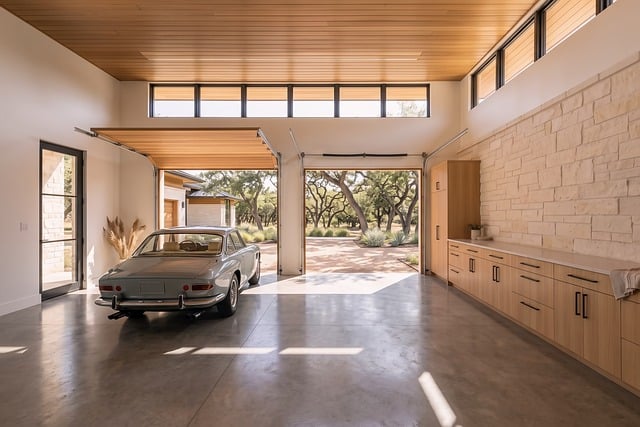
How Often Should Garage Doors Be Replaced?
Rather than relying exclusively on the door’s age, homeowners should evaluate its overall condition, performance, and safety. Here are several factors that determine how often a garage door needs replacement:
- Garage Door Material – Different materials have different life expectancies. For example, Steel garage doors can often last 20-30 years with proper maintenance, while wooden doors may require replacement sooner if they are regularly exposed to moisture, rot, or warping.
- Frequency of Use – How frequently you open and close your garage door directly affects the wear on its mechanical components. Frequent operation places additional demands on springs, rollers, hinges, and the opener, potentially shortening the system’s overall service life.
- Maintenance and Professional Inspections – Regular maintenance can significantly extend a garage door’s lifespan. Professional inspections can also identify worn components and potential safety issues before they develop into more serious problems.
- Weather and Environmental Exposure – Climate conditions can influence how quickly garage doors deteriorate. Choosing weather-resistant materials and finishes can help extend the door’s useful life.
- Quality of Installation and Components – A properly installed garage door is more likely to operate smoothly and experience less unnecessary stress. Poor installation, incorrect alignment, low-quality hardware, or improperly adjusted springs can contribute to premature wear.
- Condition of Mechanical and Safety Components – Garage door springs, rollers, cables, tracks, and openers do not necessarily last as long as the door itself. Worn components can often be replaced individually, meaning that a malfunctioning spring or opener does not automatically require replacing the entire garage door.
- Repair Costs Compared to Replacement Costs – Homeowners should compare the cost of repairing the existing door with the price of a replacement, taking into account its remaining lifespan, safety, and energy efficiency. When major repairs become increasingly frequent, investing in a new garage door may offer better long-term value.
What Are the Signs That Your Garage Door Needs Replacement?
Age alone does not necessarily mean a garage door needs to be replaced. However, certain warning signs can indicate that the door is reaching the end of its useful life:
- Visible Structural Damage – Minor cosmetic damage may not require replacement, but extensive structural problems such as cracks, warped panels, or rotting wood can compromise the door’s appearance, durability, and functionality.
- Frequent Repairs – While occasional issues with springs, rollers, or sensors are normal, recurring problems across multiple components can indicate widespread deterioration. When repair expenses continue to accumulate, replacing the entire door may be a more economical long-term solution.
- Unusual Noises and Uneven Movement – Persistent grinding, shaking, or difficulty opening and closing may indicate worn or damaged components that require professional inspection. A qualified technician can determine whether individual components need repair or whether replacing the entire system is more appropriate.
- Poor Insulation and Weather Protection – If your garage door struggles to provide adequate insulation, replacing it with a modern, energy-efficient model can help improve temperature regulation and reduce unwanted air infiltration.
- Outdated Safety Features – Modern garage doors should include functioning automatic reversal mechanisms and photoelectric sensors that detect people, pets, and objects in the door’s path. If these features repeatedly malfunction or cannot be restored through professional servicing, the system may pose a safety risk.
How Can You Extend the Lifespan of Your Garage Door?
Regular garage door maintenance can help prevent premature wear and extend the life of the system. Homeowners should arrange professional inspections, keep moving components properly maintained, check weather seals for deterioration, and address minor operational issues before they become more serious. It is also important to remember that individual components, such as springs, cables, rollers, and garage door openers, may need replacement before the entire door reaches the end of its lifespan. Keeping these parts in good condition helps maintain safe and reliable operation.
In conclusion, most garage doors last approximately 15 to 30 years, although their lifespan depends on material quality, usage, and maintenance. Working with an experienced garage door company helps homeowners determine when repairs are sufficient and when replacing an older garage door is the better option.
Written by Washington Garage Doors, your local garage doors and gate technician in Vancouver Garage Door Repair, Woodland Garage Door Repair, La Center Garage Door Repair, Orchards Garage Door Repair, Ridgefield Garage Door Repair, Mill Plain Garage Door Repair, Brush Prairie Garage Door Repair, Camas Garage Door Repair, Hazel Dell Garage Door Repair, Salmon Creek Garage Door Repair,Amboy Garage Door Repair and Yacolt Garage Door Repair.